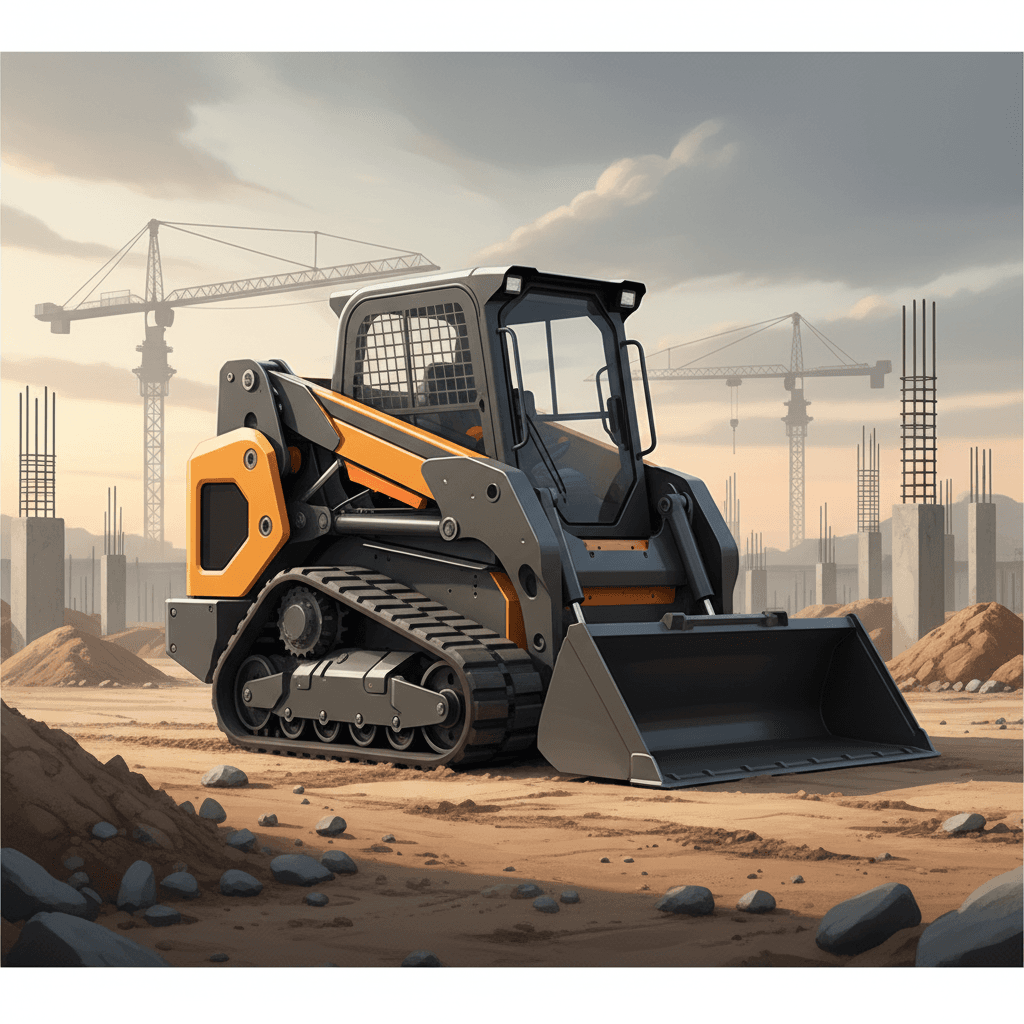
The Definitive Resource for Compact Track Loaders
Compare types, specifications, and applications across every class of CTL. Whether you are buying your first machine or expanding a fleet, this is where informed decisions start.
What Are Compact Track Loaders?
Compact track loaders (CTLs) are versatile, rubber-tracked machines built for demanding work in tight spaces. They combine the agility of a skid steer with the ground-hugging traction of a tracked undercarriage, making them the go-to choice for contractors working on soft, uneven, or sensitive terrain.
With operating weights ranging from 3,500 to over 13,000 pounds and horsepower from 25 to 120+, CTLs handle everything from backyard landscaping to heavy earthmoving. Their universal quick-attach system accepts dozens of attachments, turning a single machine into a bucket loader, forklift, trencher, mulcher, and more.
50%
Lower ground pressure than wheeled skid steers
60+
Compatible attachment types with quick-attach coupler
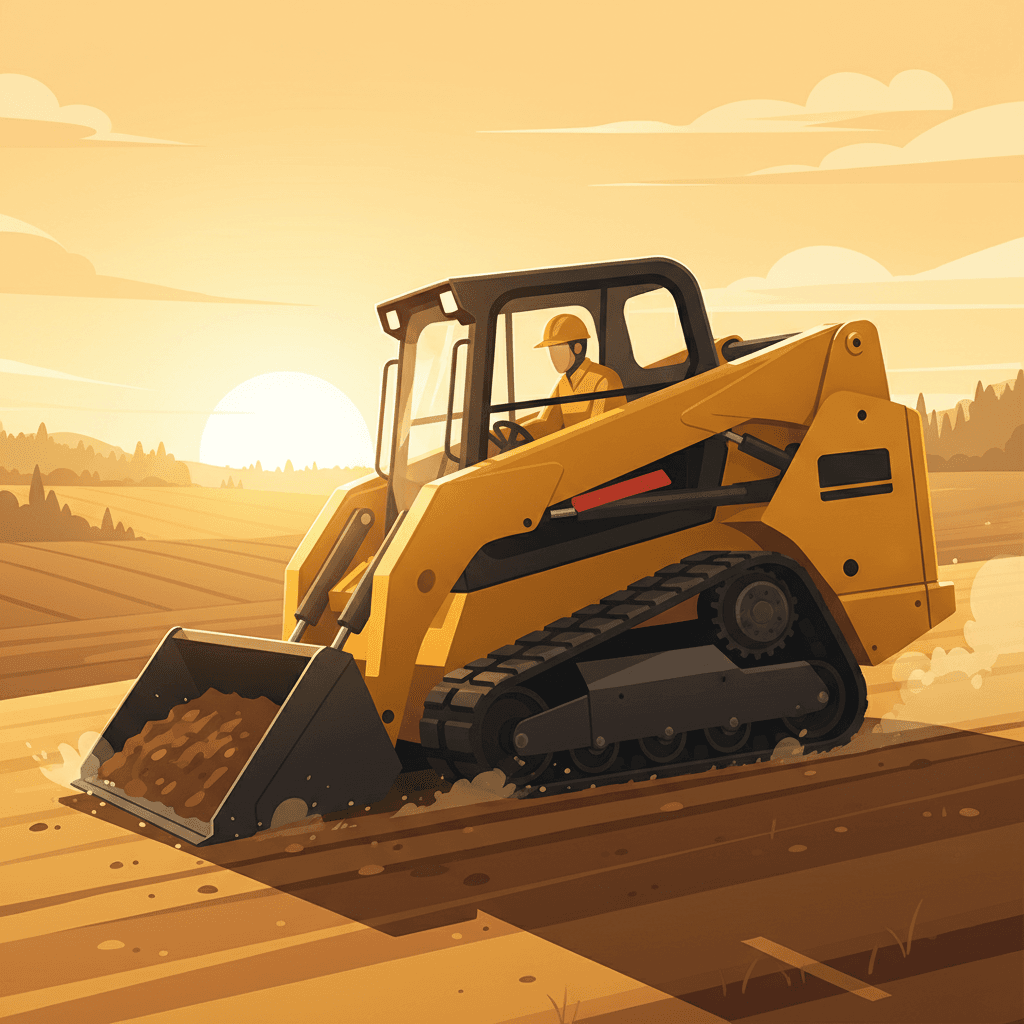
Three Classes of Compact Track Loaders
CTLs are grouped by operating weight, horsepower, and rated capacity. Choosing the right class depends on your primary application and the attachments you plan to run.
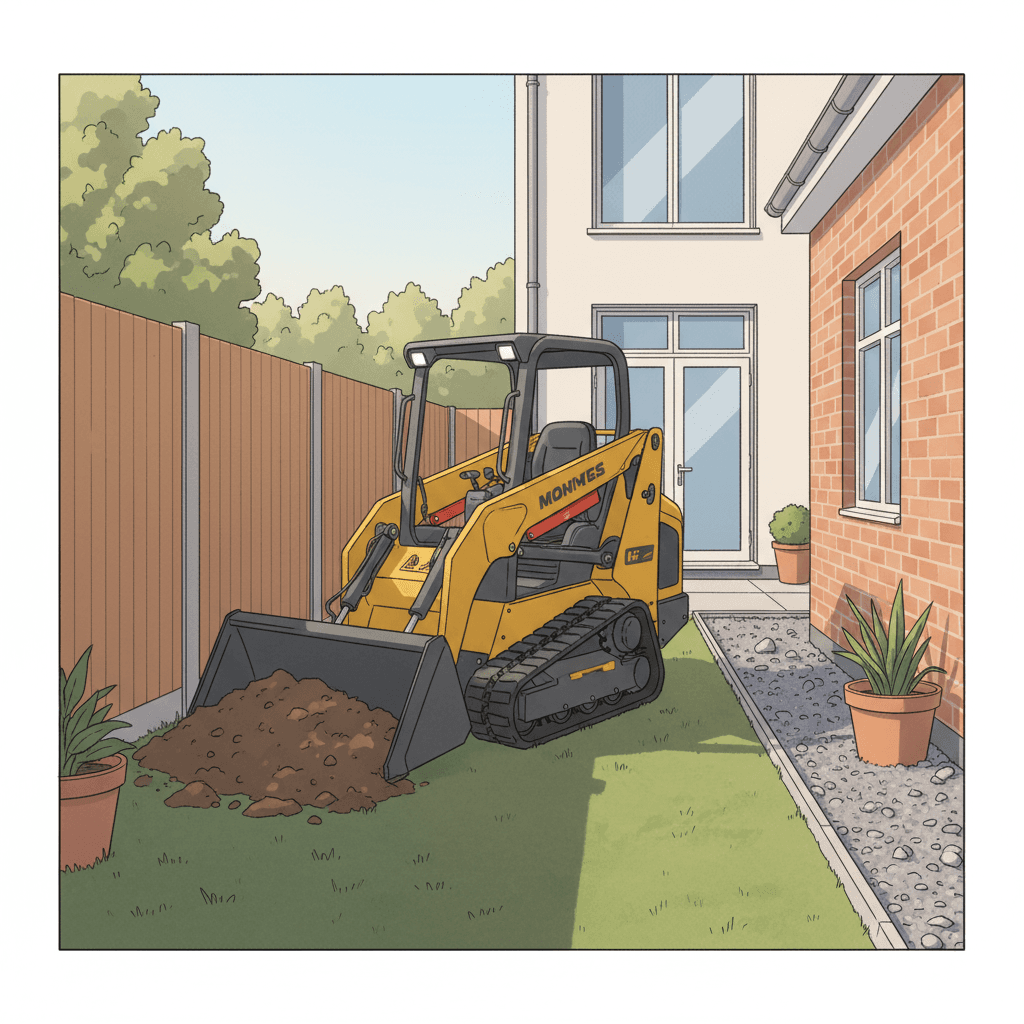
Mini / Small Frame
Tight residential spaces, interior demolition, backyard projects, and light landscaping where a narrow profile is essential.
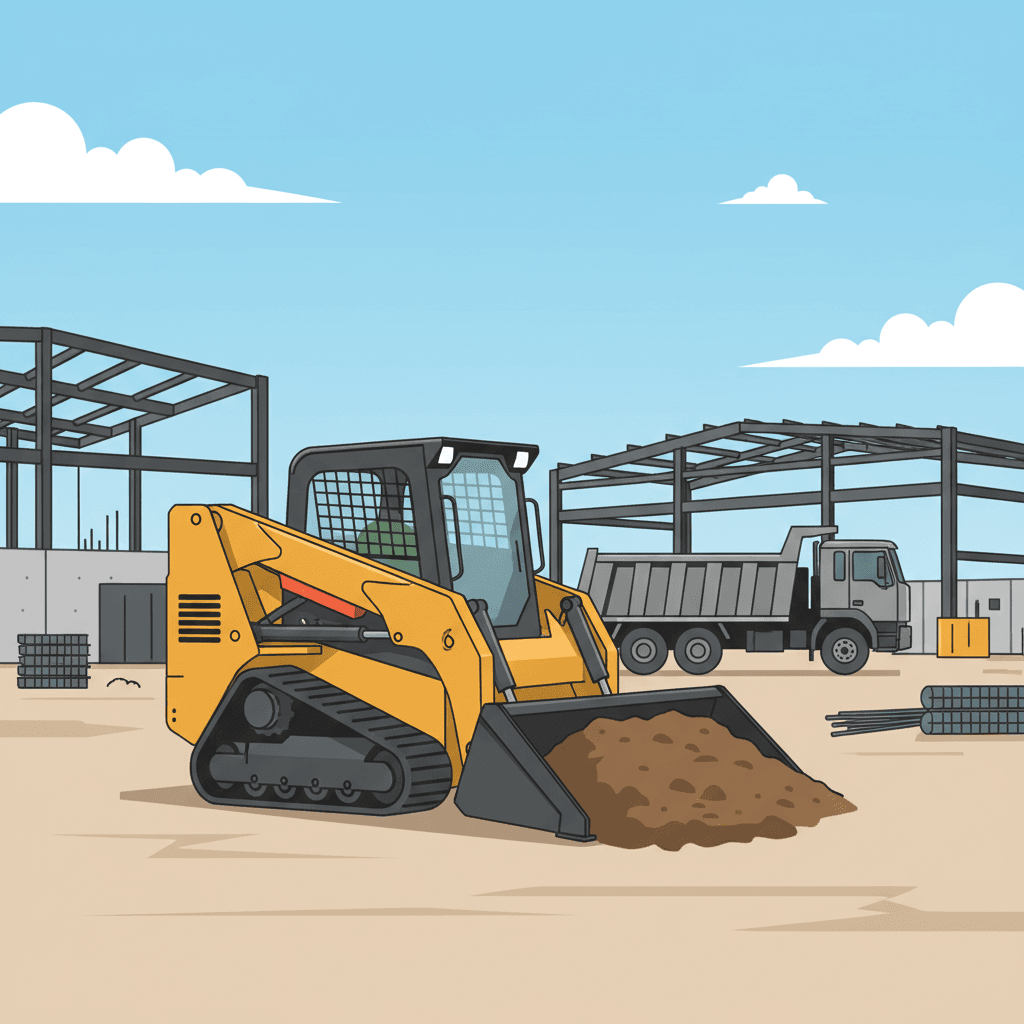
Mid-Size
General construction, grading, utility work, and mid-scale landscaping. The most popular class for contractors.
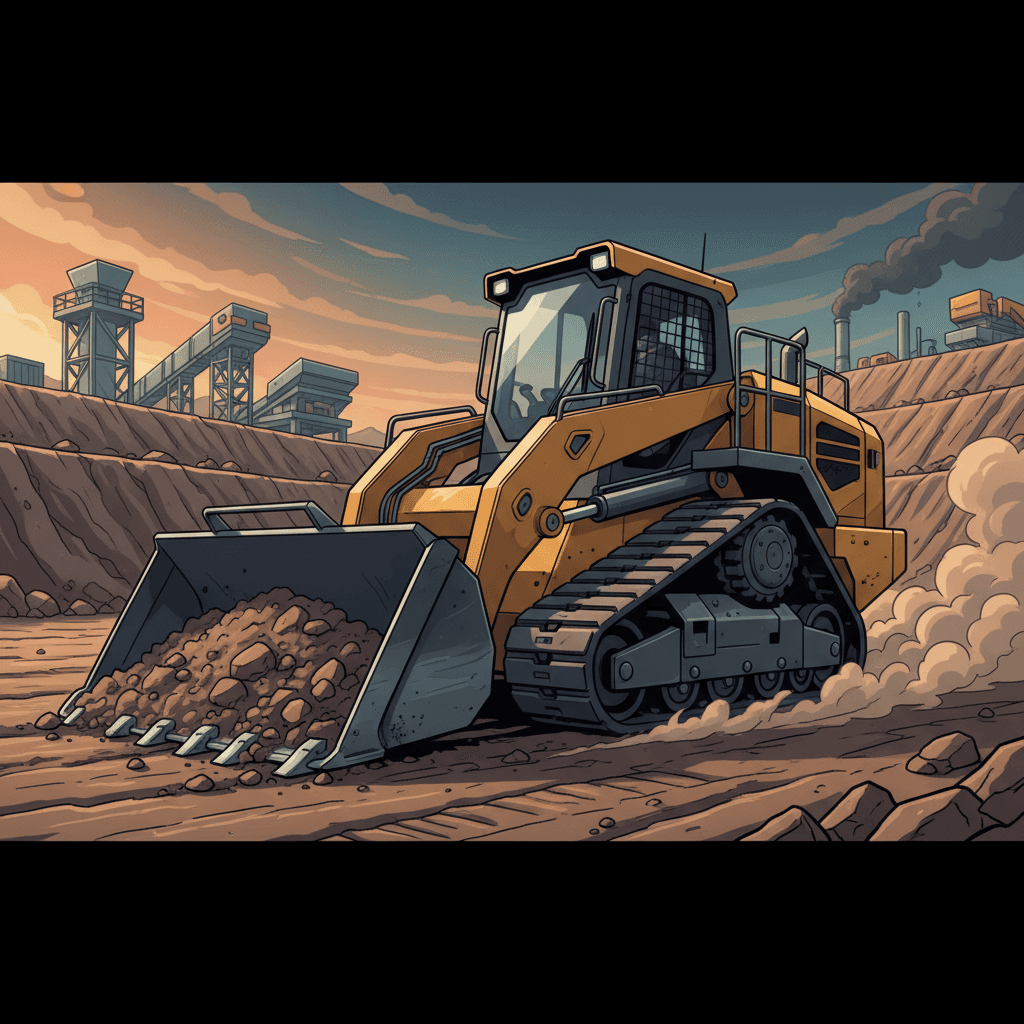
Large Frame
Heavy earthmoving, road building, large demolition, and agricultural operations demanding maximum power and lift capacity.
Key Features That Set CTLs Apart
Modern compact track loaders are precision-engineered machines packed with technology that maximizes productivity and operator comfort.
Rubber Track Undercarriage
Distributes weight across a wide surface area, delivering lower ground pressure than wheeled machines. Protects sensitive surfaces like finished lawns and pavement.
High-Flow Hydraulics
Premium models deliver 35+ GPM of auxiliary hydraulic flow, powering demanding attachments like mulchers, cold planers, and trenchers at full speed.
Pressurized Cab
Sealed, climate-controlled operator stations with ROPS/FOPS protection, air suspension seats, and touchscreen displays for all-day comfort and productivity.
Universal Quick-Attach
Industry-standard coupler plates let operators swap between dozens of attachments in under 60 seconds, turning one machine into an entire fleet.
Vertical Lift Path
Reaches truck-loading heights with ease while maintaining maximum forward reach. Ideal for pallet handling, dumping over sidewalls, and stacking materials.
Telematics & GPS
Built-in fleet management systems track location, fuel consumption, idle time, and maintenance schedules. Reduce operating costs and prevent downtime.
Built for Every Job Site
From urban construction to rural agriculture, compact track loaders deliver productivity on terrain where other machines struggle or are simply too large to operate.
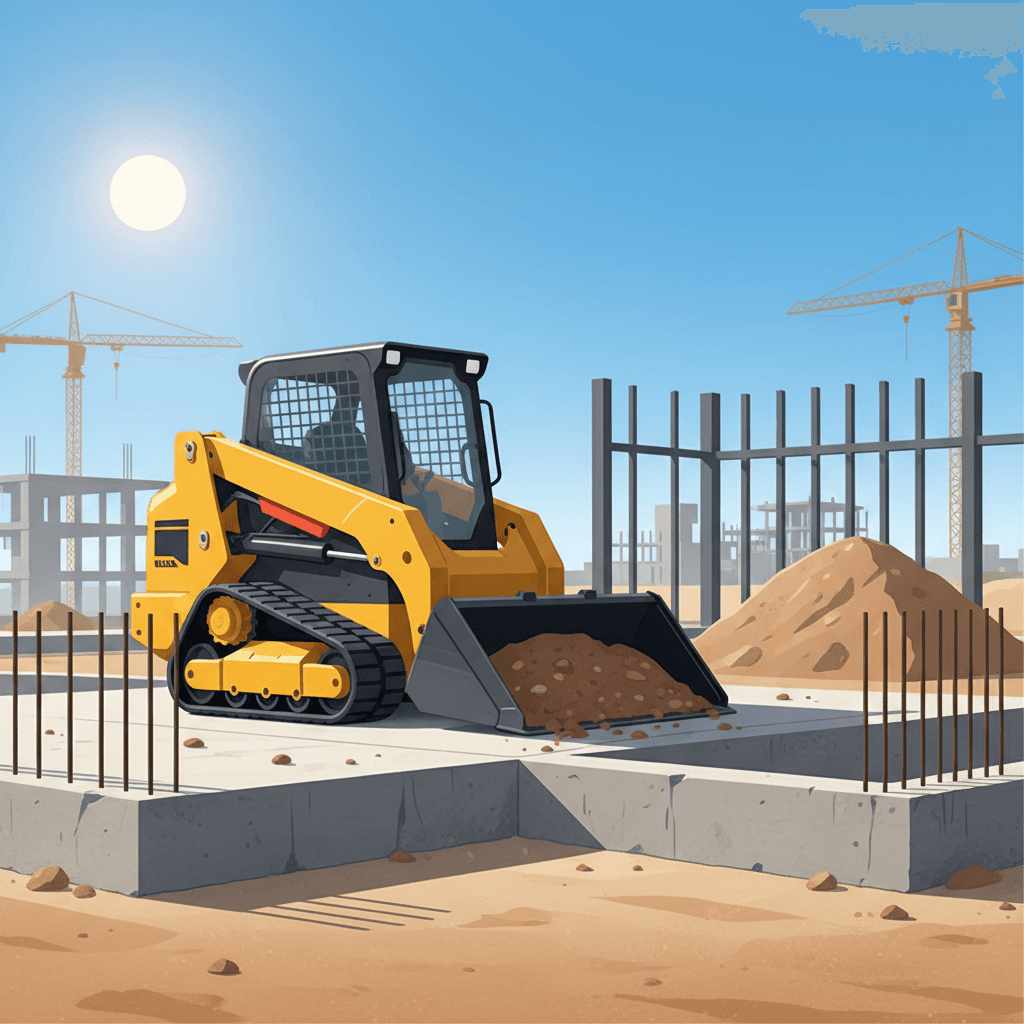
Construction & Earthwork
Grading, excavation, backfilling, and site prep on soft or uneven ground where wheeled skid steers would struggle. Track loaders handle mud, sand, and slopes with confidence.
- Site preparation
- Grading and leveling
- Trench backfill
- Material handling
- Demolition cleanup
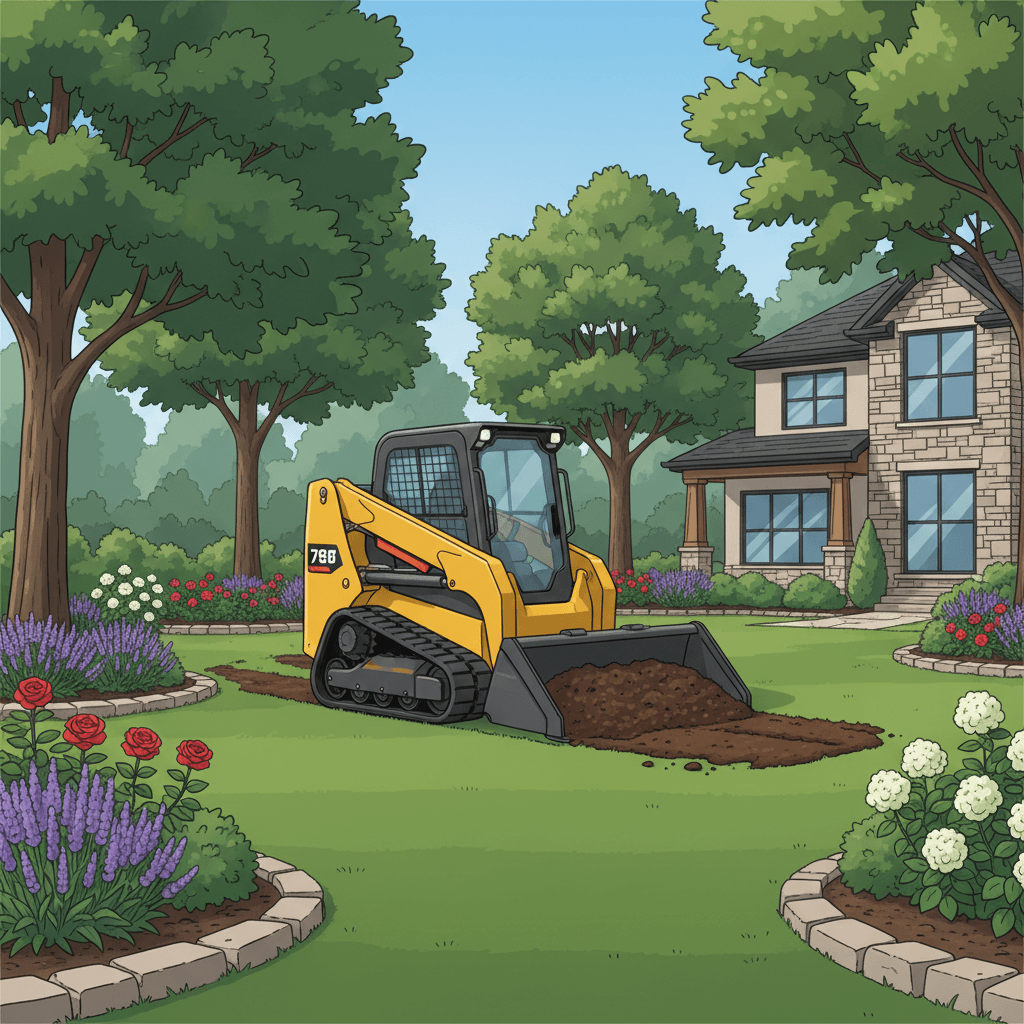
Landscaping & Hardscaping
Move mulch, topsoil, gravel, and pavers without tearing up finished lawns. The low ground pressure of rubber tracks is a game-changer for residential and commercial landscape jobs.
- Lawn grading
- Tree and shrub planting
- Paver base prep
- Drainage installation
- Snow removal
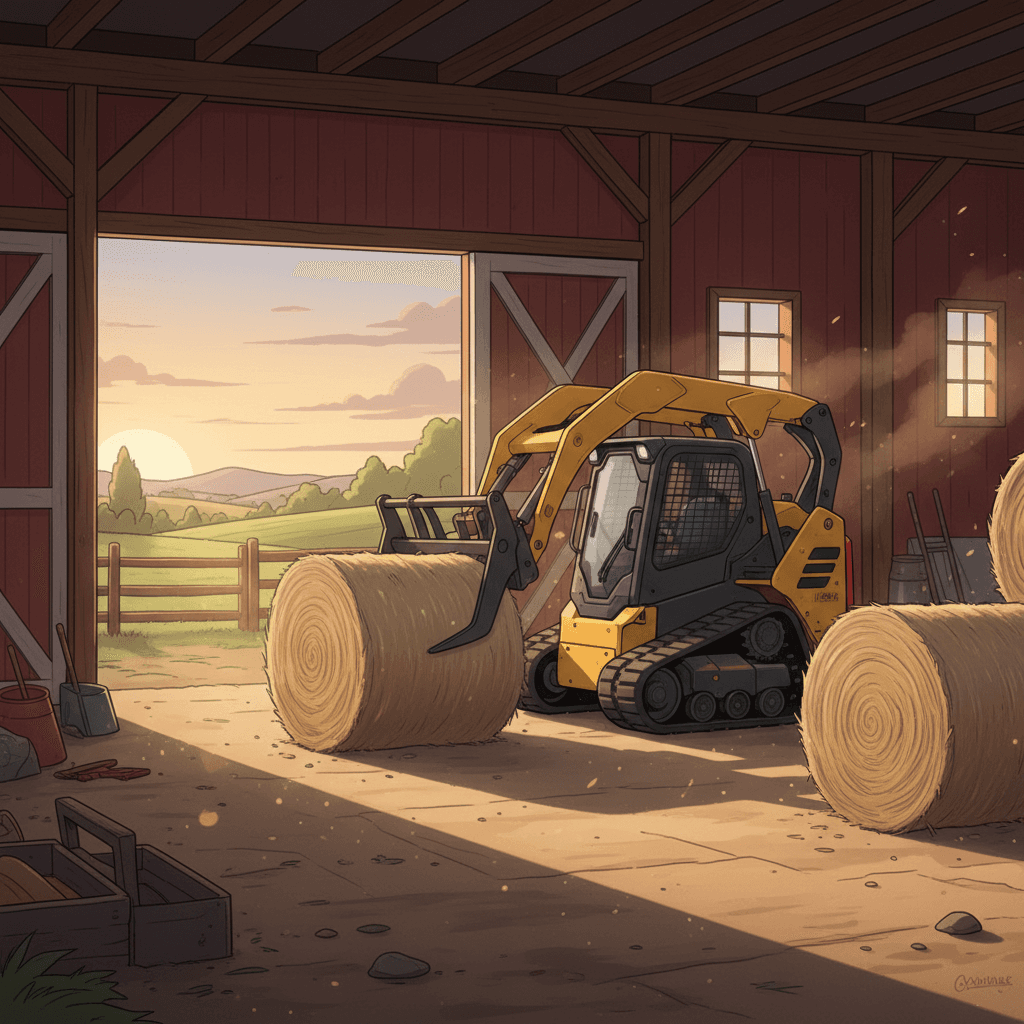
Agriculture & Farming
Clean barns, move hay bales, maintain fence lines, and handle feed. Compact track loaders navigate muddy fields and confined animal housing areas that larger tractors cannot reach.
- Barn cleaning
- Hay and bale handling
- Fence line clearing
- Feed lot maintenance
- Land clearing
Specifications at a Glance
Side-by-side comparison of key specifications across all three CTL classes to help you identify the right size for your operation.
| Specification | Mini / Small | Mid-Size | Large Frame |
|---|---|---|---|
| Operating Weight | 3,500 - 7,000 lbs | 7,000 - 9,500 lbs | 9,500 - 13,000+ lbs |
| Rated Capacity (50%) | 600 - 1,500 lbs | 1,500 - 2,500 lbs | 2,500 - 4,200 lbs |
| Horsepower | 25 - 60 HP | 60 - 80 HP | 80 - 120 HP |
| Aux. Hydraulic Flow | 12 - 20 GPM | 20 - 30 GPM | 30 - 40+ GPM |
| Ground Pressure | 3.0 - 4.2 PSI | 4.0 - 5.5 PSI | 4.8 - 6.5 PSI |
| Lift Height (Hinge Pin) | 8 - 9.5 ft | 9.5 - 10.5 ft | 10.5 - 11.5+ ft |
| Track Width | 7 - 12 in | 13 - 16 in | 15 - 20 in |
| Price Range (New) | $25,000 - $55,000 | $50,000 - $80,000 | $75,000 - $120,000+ |
Compact Track Loader Buying Guide
Selecting the right CTL is a significant investment. Here are the critical factors to evaluate before you buy, whether you are purchasing new or used.
1. Match the Machine to Your Work
List your top three applications. If most of your work involves landscaping in tight residential spaces, a mini CTL saves money and fits through gates. If you are grading commercial sites or running a mulcher, you need mid-size or large frame power and hydraulic flow.
2. Evaluate Lift Path
Radial lift provides greater reach at mid-height and more digging force at ground level, ideal for grading and excavation. Vertical lift reaches higher and provides more forward reach at full height, making it better for loading trucks and stacking materials. Some tasks benefit from either. Consider where you spend the most time working.
3. Check Hydraulic Flow
If you plan to run high-demand attachments (mulchers, cold planers, trenchers), verify the machine offers high-flow auxiliary hydraulics (30+ GPM). Standard flow (15 to 22 GPM) works fine for buckets, forks, augers, and sweepers. High-flow is typically a factory option, not a field upgrade.
4. New vs. Used
Used CTLs with 1,000 to 3,000 hours can save 35 to 60 percent off MSRP. Key inspection points for used machines: track condition and remaining life, undercarriage roller and idler wear, hydraulic leak indicators, cab condition and hours verification, and service records. Always request a dealer inspection or hire a certified technician for a pre-purchase evaluation.
5. Dealer Support Matters
Proximity to a dealer with parts inventory and service technicians can make or break your productivity. A machine sitting idle waiting for parts costs more than the premium you might pay for a brand with stronger local dealer support. Ask about loaner programs, service response times, and parts availability before you commit.
6. Total Cost of Ownership
Purchase price is only part of the equation. Factor in fuel consumption (typically 1.5 to 4 gallons per hour depending on load), track replacement costs ($1,500 to $4,000 per set every 1,200 to 2,000 hours), routine maintenance ($1,500 to $3,000 annually), insurance, and financing costs. Also consider residual value: premium brands like Cat, Bobcat, and Deere tend to hold value better at resale.
Quick Size Guide
Small Frame
Residential landscaping, tight access, interior work
Mid-Size
General construction, grading, utility, most versatile
Large Frame
Heavy earthmoving, road building, large-scale ag
Search Demand Snapshot
1,600
Monthly Searches
$2.46
Cost Per Click
$47K+
Annual Ad Value
High
Commercial Intent
Frequently Asked Questions
Answers to the most common questions about compact track loaders, from specs and maintenance to buying decisions.
Get Expert Guidance
Looking for the right compact track loader for your operation? Tell us about your project and we will connect you with the information and resources you need.